
Energy
PEM Fuel Cells
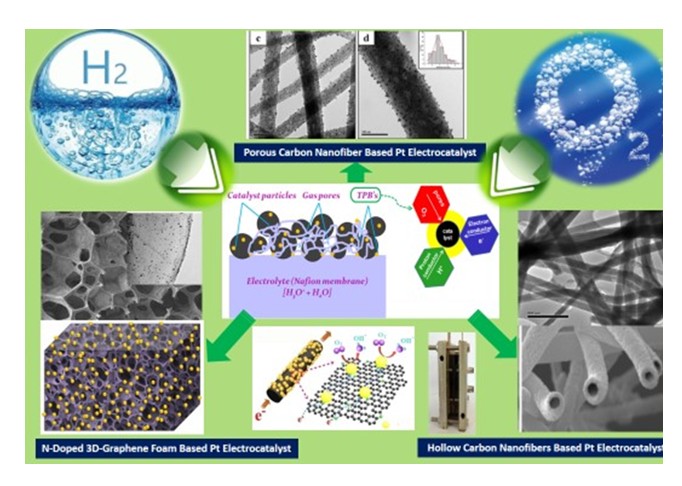
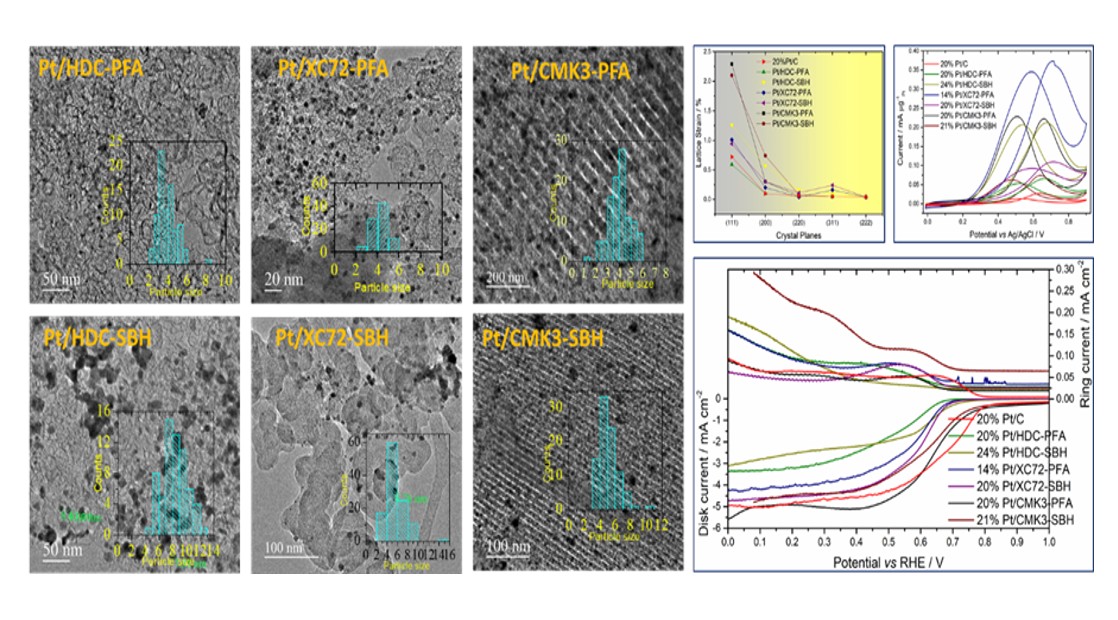
At PSGIAS, our group has developed advanced N-doped mesoporous carbon nanostructures—such as mesoporous carbon nanofibers, N-doped graphene foam, mesoporous hollow carbon nanofibers, and biomass-derived carbon fibers—incorporated with platinum nanoparticles as electrocatalyst supports for PEM fuel cells. Their superior ORR performance arises from three key design features: high surface area for effective nanoparticle dispersion, enhanced conductivity through N-doping, and hierarchical mesoporous structures enabling efficient mass transport. These materials demonstrated excellent activity, stability, and single-cell PEMFC performance. Current efforts focus on translating these innovations into highly durable PEM fuel stacks for industry-ready fuel cell technologies.
Faculty: Dr. P Biji (Click here)
Thermoelectrics
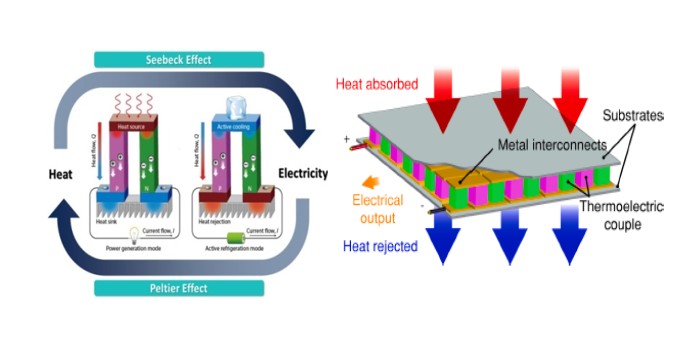
In view of increasing demand for clean energy generation, thermoelectric materials are considered extremely interesting from sustainability point of view owing to the ease of thermal to electrical energy conversion. Oxide materials offer new possibilities for thermoelectric devices because of their abundance, non- toxicity and chemical stability at high temperature. Our group aims to enhance the thermoelectric properties of oxides by doping, nanostructuring and making them as a composite with the suitable materials.
Faculty: Dr. Anuradha M Ashok (Click here)
Energy Storage and Conversion
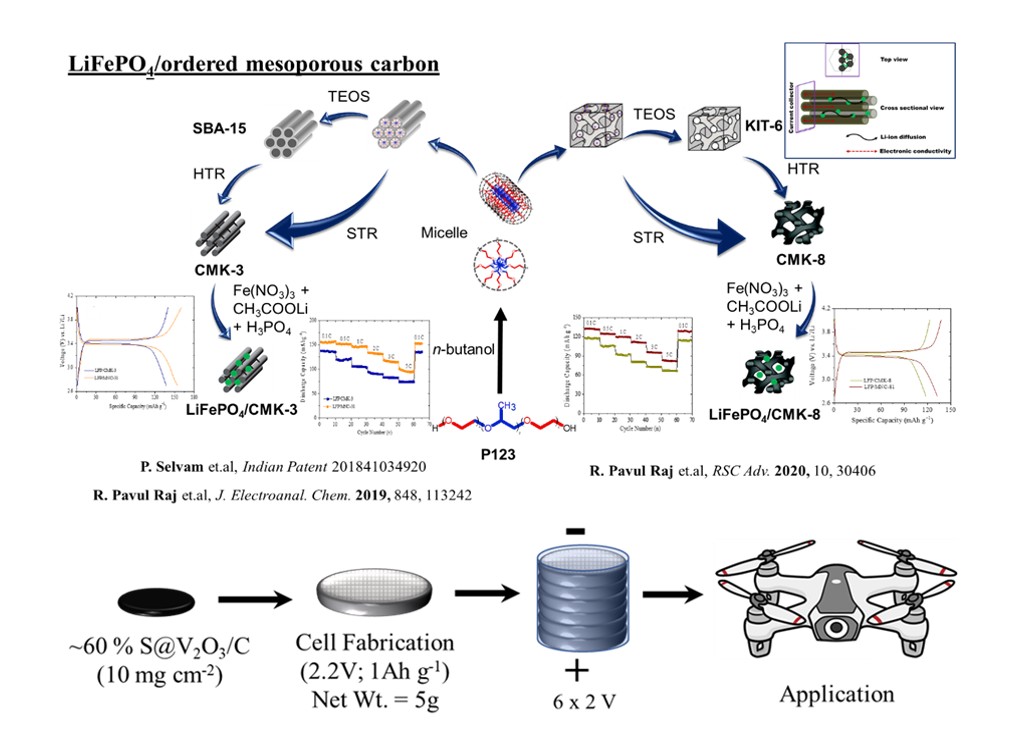
Our research focuses on battery technology (Li-ion & Na-ion), with an emphasis on advanced electrode design and sustainable material development for high-performance energy storage. We work on conducting polymers and ordered mesoporous materials to enhance electrochemical stability and energy density. Our expertise encompasses fabricating Li-ion cells and prototype Li–S coin cells, and exploring novel cathode materials to enhance cycling efficiency. Comprehensive electrochemical characterization (GITT, EIS, voltammetry) and advanced material analysis support our goal of developing durable, cost-effective, and eco-friendly lithium-based energy storage systems to meet the growing demand for renewable energy integration and electric mobility.
Faculty: Dr. Pavul Raj Rayappan (Click here)
Green Hyrdrogen Production through AEM Electrolyzers
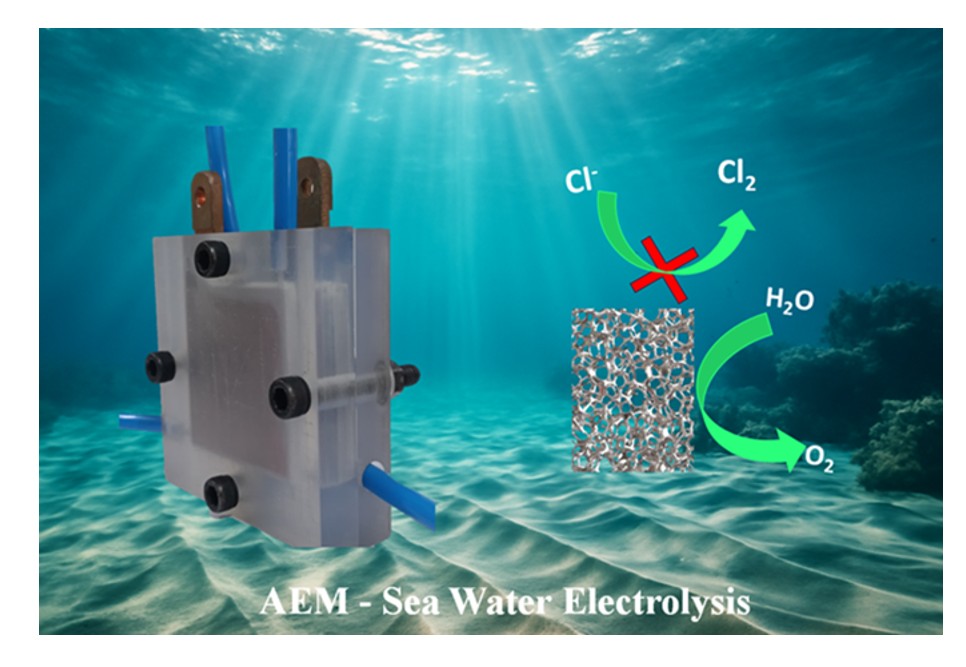
We are advancing green hydrogen production through seawater electrolysis and urea-rich wastewater splitting by developing cost-effective AEM electrolysers. Our research focuses on scalable and industry-ready chlorophobic Ni-based bifunctional nanocatalysts that demonstrate superior activity for both the HER and OER reactions. These catalysts exhibit enhanced corrosion resistance, high catalytic efficiency, and excellent stability under harsh electrochemical environments, effectively addressing the challenges of chloride ions in seawater and complex contaminants in wastewater. By integrating these materials into scalable electrolysis systems, our work paves the way for sustainable, low-cost hydrogen generation with direct applications in clean energy and circular economy.
Faculty: Dr. P Biji (Click here)
Photocatalysts for hydrogen generation
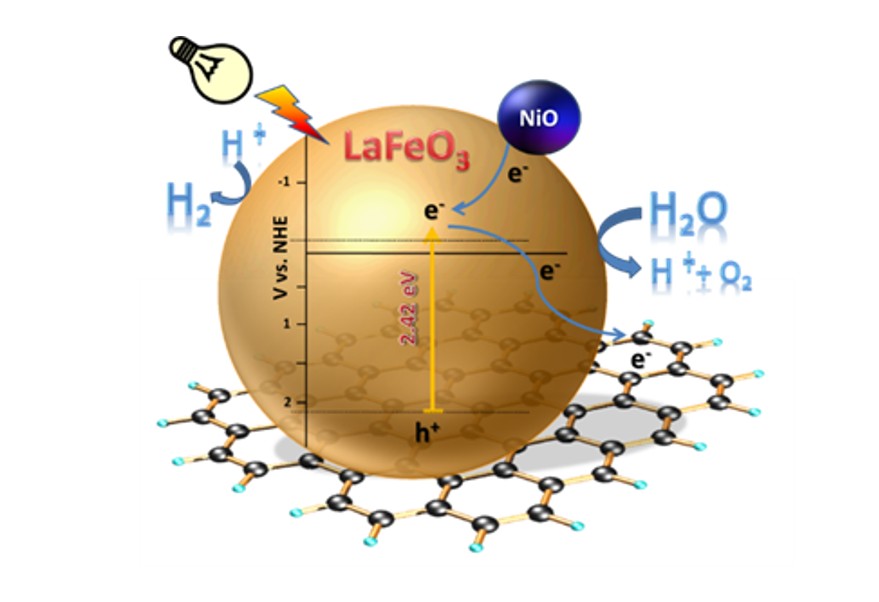
In recent years, photocatalytic technology has shown great potential as a low-cost, environmentally-friendly, and sustainable technology. The hydrogenation of CO2 by using photocatalysis is one of the sustainable methods which is derived from nature. We have also developed doped complex ferrite composites with hydrogen generation capability through water splitting.
Faculty: Dr. Anuradha M Ashok (Click here)
Self-cleaning coatings for PV & non-PV applications
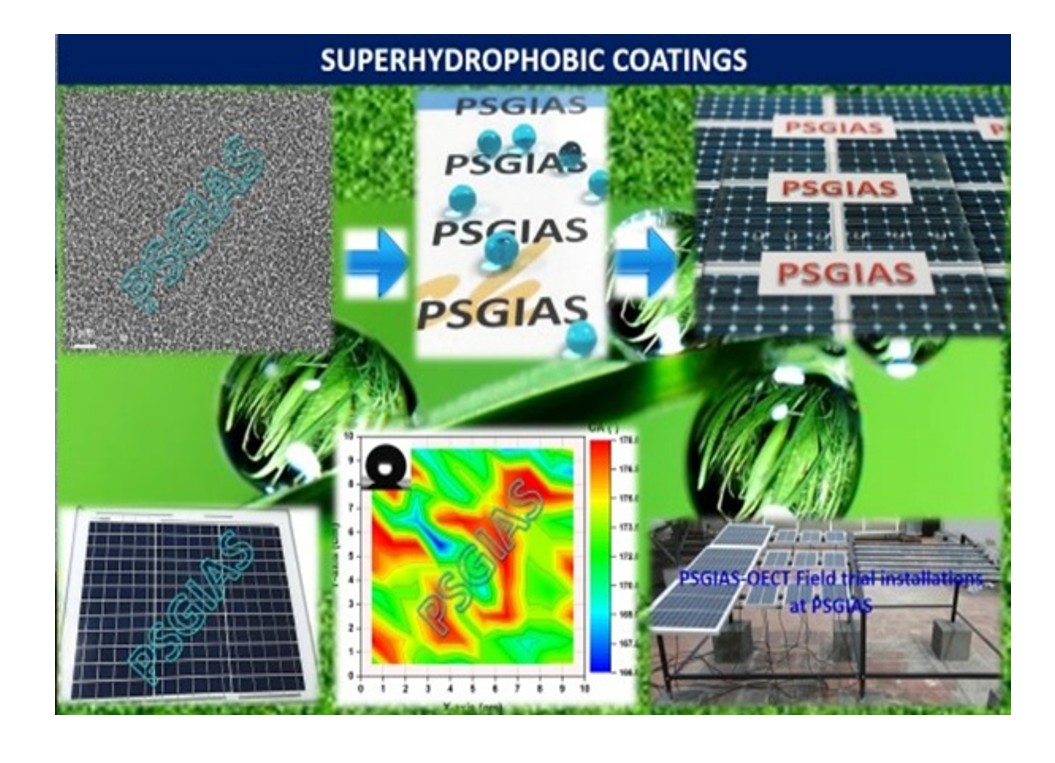
At PSGIAS, transparent self-cleaning superhydrophobic (SH) coatings have been developed Dr. Biji’s team to address solar panel efficiency loss from dirt accumulation. Two patented large area coatings have been developed by the team: (i) anti-reflective ceramic SH coatings with ultrahigh water contact angle (>175°), near-zero roll-off angle (<1°), and >92% optical transmittance, offering superior durability; (ii) hybrid polymer/ceramic nanoparticle-based SH coatings with water contact angle >155°, roll-off angle <5°, and 88% transmittance. Both coatings are scalable beyond 1 m², tested for environmental and mechanical stability, and validated through field trials for commercialization. Additionally, these advanced SH coatings have been extended to large-area non-PV applications, demonstrated above 880 sq ft for broad utility and impact.
Faculty: Dr. P Biji (Click here)
Production of Bio-hydrogen via Fermentation of Organic Waste
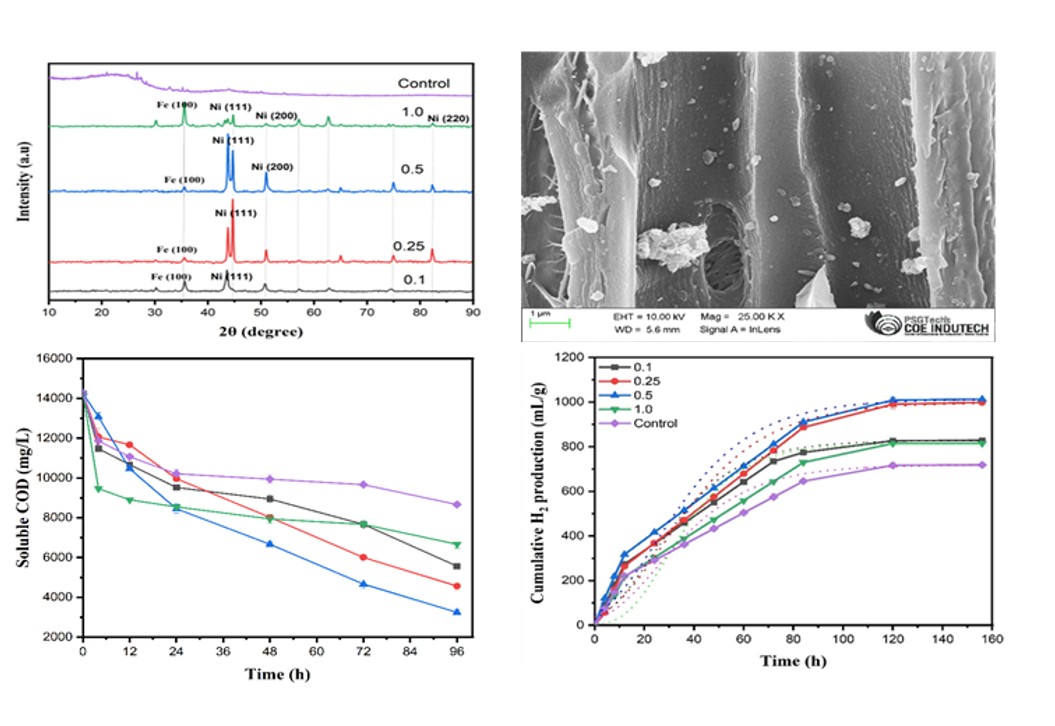
The findings revealed that supplementing hydrochar-supported NiO and Fe2O3 NPs within an optimal range for cassava waste residue (CWR) can significantly improve hydrogen productivity. Additionally, HSNPs can enhance hydrogenase activity and electron transfer efficiency, which are beneficial to bio-H2 evolution. However, excessive HSNP addition may be toxic to microbes and further inhibit H2 production. This study presents an effective method for promoting the evolution rate of H2 gas.
Faculty: Dr. D Johnravindar (Click here)
Electrocatalysis
Our electrocatalysis research focuses on designing cost-effective, high-performance catalysts for energy conversion and storage. We have developed flexible ABS polymer-based electrodes for hydrogen evolution reaction (HER) and metal-free oxygen reduction (ORR) and oxygen evolution (OER) catalysts using ordered mesoporous carbon frameworks. Additionally, we engineered barbituric acid-derived ORR materials, offering an eco-friendly alternative to conventional layered double hydroxides (LDH). Our work also targets enhancing electrochemical kinetics in batteries, improving charge–discharge efficiency through advanced catalytic interfaces. These innovations aim to replace precious metals with sustainable materials, ensuring scalable solutions for green hydrogen production, fuel cells, and next-generation batteries.
Faculty: Dr. Pavul Raj Rayappan (Click here)
Water Splitting and Green Hydrogen Production
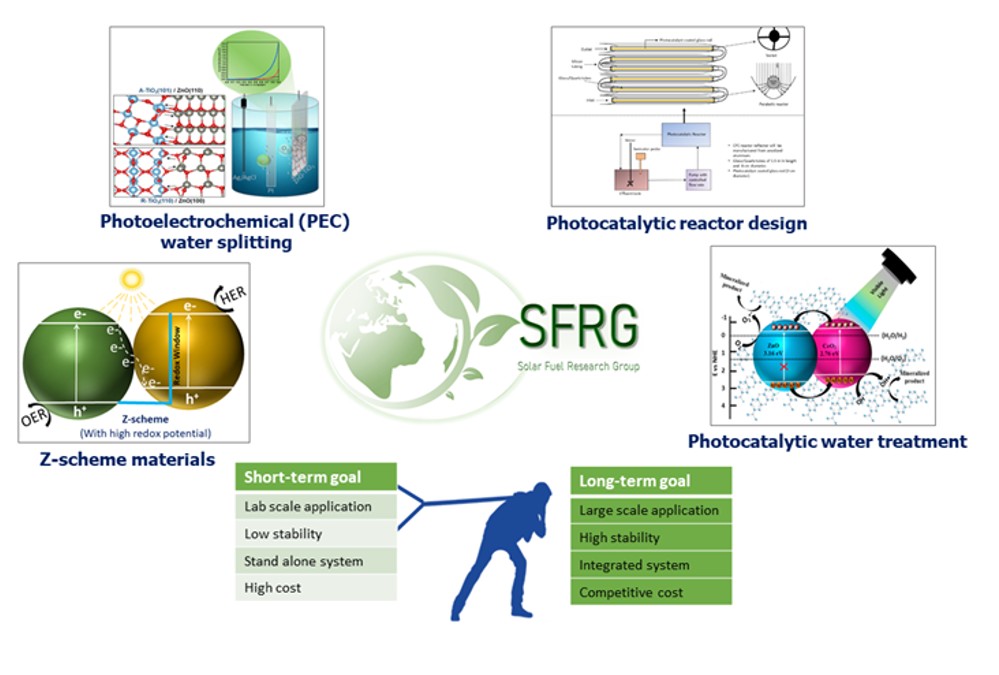
Our group specializes in the development of advanced photoactive materials for water splitting and green hydrogen production. We focus on designing nanostructured catalysts, including 2D materials and heterostructured semiconductors, to enhance solar-to-hydrogen conversion efficiency. By integrating materials science, photochemistry, and electrochemical engineering, we optimize charge separation, light absorption, and catalytic activity. Our research addresses key challenges such as improving material stability, reducing overpotentials, and scaling up production processes. Through interdisciplinary collaboration, we contribute to the advancement of sustainable hydrogen energy solutions.
Faculty: Dr. Abinash Das (Click here)
Materials for Solid Oxide Fuel Cells
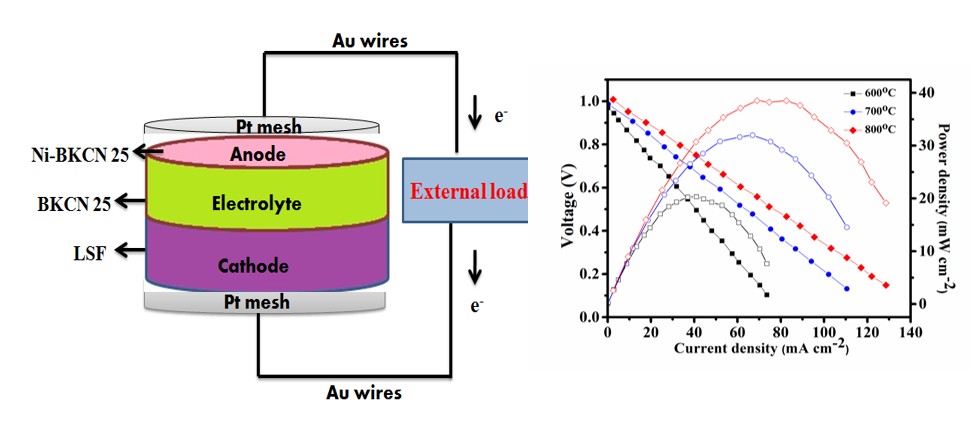
Solid oxide fuel cells (SOFCs) are characterized by low pollution, and are therefore the best alternative both for distributed energy sources and large-scale integration. We work on introducing innovative, modified materials for Intermediate Temperature Solid Oxide Fuel Cell (IT-SOFCs).
Faculty: Dr. Anuradha M Ashok (Click here)
Hydrogen storage
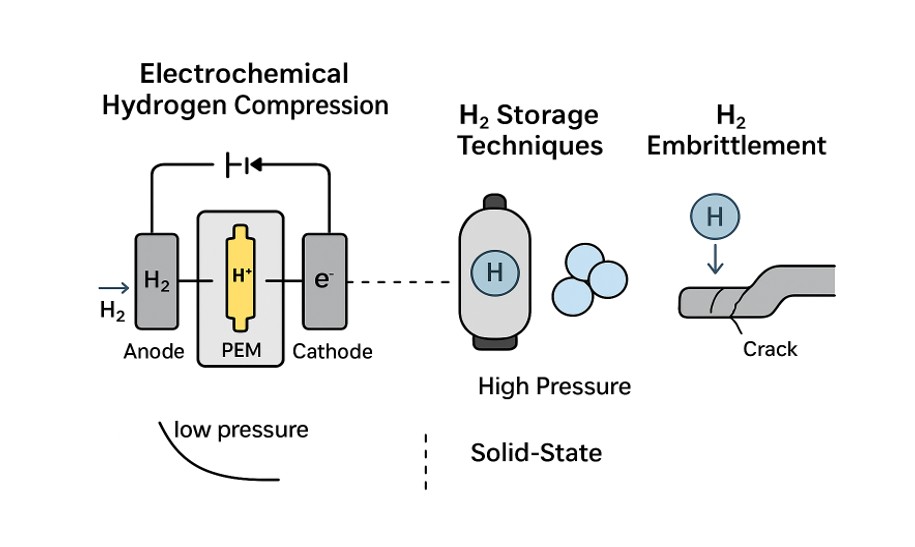
Conventional hydrogen storage methods, such as high-pressure gas cylinders and cryogenic liquid hydrogen, face issues of energy loss, safety, and infrastructure requirements. Therefore, intensive research is focused on advanced storage technologies such as solid-state storage using metal hydrides, chemical carriers, and nanostructured materials, which can offer higher safety, reversibility, and scalability. Hydrogen embrittlement directly impacts the safety, durability, and reliability of materials used in hydrogen-based energy systems. This poses serious risks in pipelines, storage tanks, fuel cells, and electrolyzers where hydrogen is produced, transported, or stored at high pressures. Another research area is on Electrochemical Hydrogen compression (EHC), which is highly relevant because it offers a cleaner, safer, and more efficient alternative to conventional mechanical hydrogen compressors, which are often bulky, noisy, and maintenance-intensive.
Faculty: Dr. Vidya Raj (Click here)
Green Hydrogen Production from Biomass
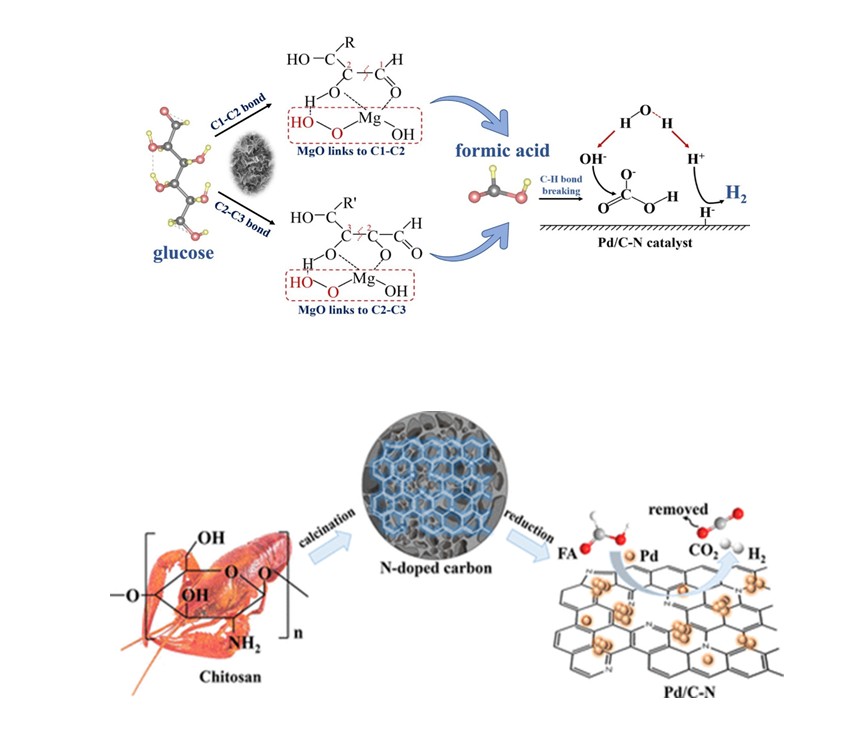
This study introduced a one-pot hydrogen production process from biomass through a glucose-formic acid-hydrogen pathway. Direct catalytic dehydrogenation of the crude formic acid solution yielded 88.45 % hydrogen from glucose at nearly ambient temperature within an hour, equivalent to 580 mL H2/g glucose. Extending this catalytic approach, hydrogen was produced from food waste through acid-catalyzed hydrolysis to glucose, followed by oxidation and dehydrogenation, demonstrating an efficient and sustainable route for green hydrogen production from biomass and food waste.
Formic acid (FA) can serve as a hydrogen carrier and is easy to store and transport. However, the decomposition of FA requires the use of a catalyst to accelerate the reaction rate and improve the hydrogen yield, which is of great significance for promoting the development of hydrogen energy technology and achieving sustainable development goals. Herein, chitosan-derived nitrogen-doped biochar-supporting palladium nanoparticles were synthesized and used as catalysts for formic acid dehydrogenation, showing excellent catalytic performance. The initial TOF of the Pd 9.2/C–N catalyst reached 615 mol H2 mol Pd–1 h–1 and the activation energy was 39.15 kJ mol–1. The good catalytic performance of the catalyst was attributed to the well-distributed ultrafine palladium nanoparticles with a size of 2.2–2.6 nm and proper metal-carrier interaction, which enhanced the capability of the palladium nanoparticles in the cleavage of the C–H bond of FA.
Faculty: Dr. D Johnravindar (Click here)
Hybrid halide perovskites for optoelectronics
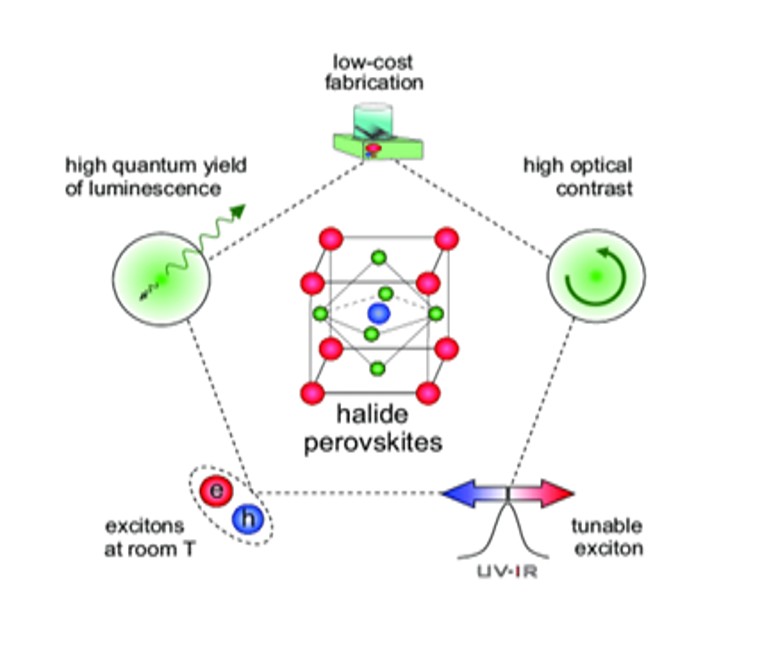
The major research focus of our group is to synthesize structurally stable lead free halide perovskite novel material and study their physical and optoelectronic properties through wet chemical synthesis. In particular, Cs2SnX6 is substantially stable against oxygen and moisture due to the presence of Sn4+ rather than Sn2+ as a consequence it is idealistic for large scale optoelectronic device development.
Faculty: Dr. Anuradha M Ashok (Click here)
Organic/Perovskite Solar Cells
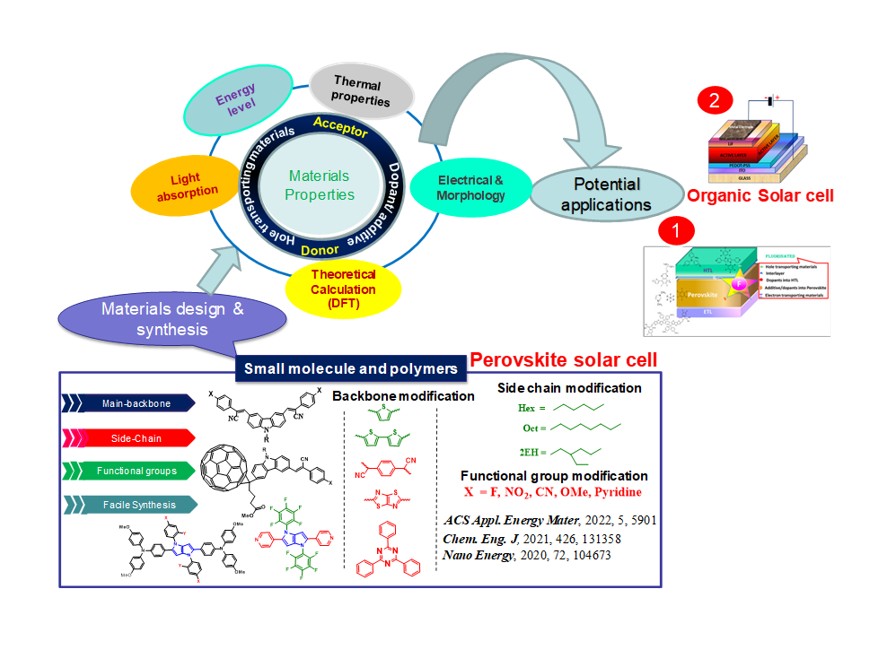
We are working extensively to create new π-conjugated organic small molecules and polymeric materials that will enhance charge transport efficiency, energy level alignment, and light absorption. Our primary objective is to improve the stability and performance of perovskite solar cells by incorporating functional groups into hole-transporting materials that provide passivation effects and enhance hydrophobicity. This approach aims to develop more efficient and durable perovskite solar cell.
Faculty: Dr. G Sathiyan (Click here)
Energy Production and Storage
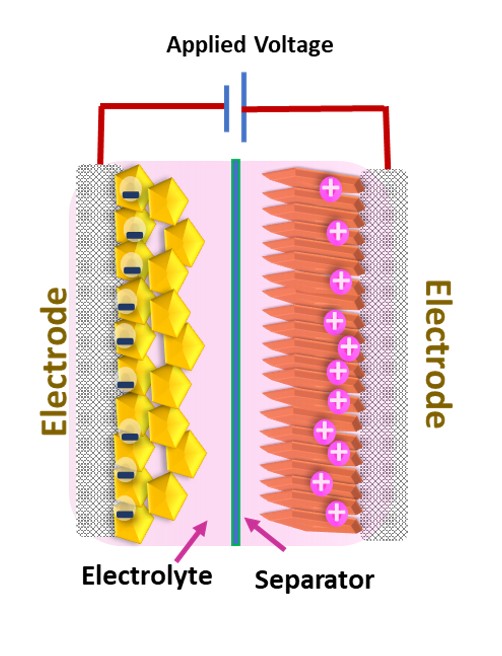
2D materials are an exciting class of emerging materials with tremendous potential in energy storage and production applications, including supercapacitors and electrochemical water splitting. My research focuses on designing and studying highly stable 2D materials—particularly oxides, chalcogenides, and MXenes—and investigating their electrochemical behaviour for efficient energy storage and hydrogen production. In addition, I am interested in exploring flexible and wearable materials, where self-harvesting sensors and nanogenerators can be integrated to power next-generation portable and wearable devices. This line of research bridges fundamental material design with practical applications, aiming toward sustainable and scalable energy solutions.
Faculty: Dr. Veena M (Click here)